








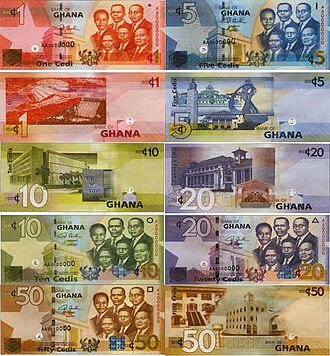
The Bank of Ghana has warned that spraying cedi notes at weddings and other gatherings, making money bouquets and using the national currency for decoration are offences under Ghanaian law.
The central bank said people who misuse notes and coins could face arrest, prosecution, fines or imprisonment. It announced plans to work with the police and other law-enforcement agencies to monitor compliance and take action against offenders.
The warning is contained in a notice dated July 14, 2026, and signed by the Bank’s Secretary, Aimee Vyda Quashie. The notice responds to what the regulator described as increasing misuse and improper handling of the cedi.
The Bank said the conduct affects the quality, integrity, functionality and public image of Ghana’s currency. It cited the Bank of Ghana Act, 2002, Act 612, as amended, and the Currency Act, 1964, Act 242, as the legal basis for protecting notes and coins issued as legal tender.
Money bouquets, which arrange banknotes as celebratory gifts for weddings, birthdays and graduations, were specifically identified as an improper use. The notice also covers the practice of throwing or showering notes over people at weddings, funerals, parties and similar events.
The restrictions extend beyond ceremonies. The Bank said notes and coins may not be used for artistic displays, jewellery, fingernail designs or other decorations that tamper with or deface the currency.
Scattering notes on the ground and dancing or stepping on them are also prohibited. The notice lists tearing, crumpling, staining, soiling, writing on, cutting or otherwise altering currency among acts that can damage legal tender.
Images of Ghanaian currency may not be used without prior approval from the Bank of Ghana. The rule covers reproductions that fall within the regulatory restrictions governing the appearance and use of cedi notes and coins.
The notice separately addresses coins. Buying or selling a coin for more than its face value is prohibited, while gilding, silvering, colouring, filing, cutting or changing a coin’s appearance, weight or value constitutes an offence.
Possession of filings, scrapings or parts obtained through tampering with coins is also covered. The Bank said currency should not be stamped, engraved, pierced or mutilated because its sole monetary purpose is to function as legal tender.
Ghana spends public funds printing banknotes and minting coins. Damaged currency may have to be withdrawn and replaced, adding to the cost of keeping suitable notes and coins in circulation.
The warning does not announce a new denomination or change the validity of any cedi note or coin. It restates restrictions on the physical treatment and unauthorised use of the currency and signals an enforcement response to practices increasingly seen at public events and online.

Individuals, businesses and institutions have been asked to protect the currency and report suspected breaches to the appropriate authorities. The central bank’s notice places responsibility on organisers and participants as well as people who make commercial products from banknotes.
Any criminal penalty would follow the applicable legal process. The Bank’s statement identifies the conduct it considers unlawful and the possible sanctions, while arrest, charge, conviction and sentence remain matters for the relevant enforcement agencies and courts.
The latest position is that the Bank of Ghana will coordinate with law-enforcement bodies as it seeks to stop currency spraying, money bouquets, decorative use and other forms of physical damage to the cedi.