


Three flights. More than a thousand citizens. A salesman who took a bullet in his spine. A hairdresser who watched his salon get looted. A woman seen being carried off a plane on a stretcher as medical teams rushed to meet her on the tarmac.
The numbers behind Ghana’s emergency repatriation from South Africa tell one story. The faces and voices at the Accra International Airport over the past two weeks tell another.

“Home Sweet Home”: The First Flight Lands, May 27
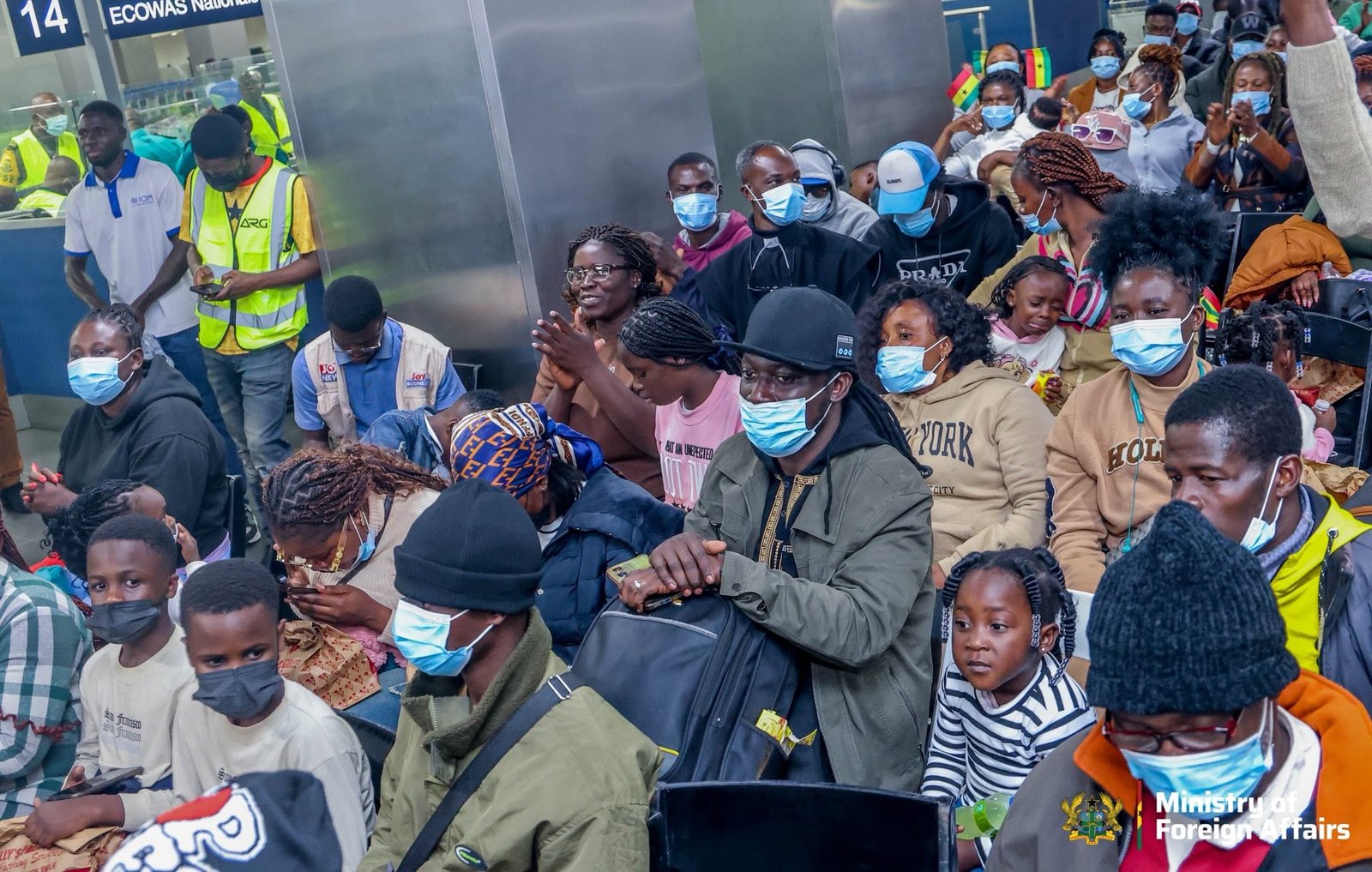
At approximately 3 p.m. on Wednesday, May 27, a chartered Ethiopian Airlines flight touched down at the Accra International Airport carrying the first batch of 300 Ghanaian nationals evacuated from South Africa. Those who watched the arrival hall that afternoon described it as unlike anything seen at the airport in years.
Evacuees stepped off the plane waving miniature Ghana flags, singing patriotic songs, and in several cases weeping. Some fell to their knees. Others embraced family members who had not seen them in years, separated from them by thousands of kilometres and, in recent weeks, by fear.
The scene was unlike a typical homecoming. These were not travellers returning from holidays. Many had lived in South Africa for years, built businesses, raised children, and established roots. They had left not by choice, but under the pressure of a wave of anti-immigrant hostility that made staying feel untenable.
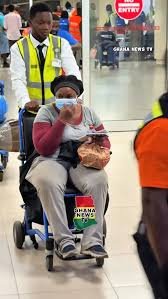
Chief of Staff Julius Debrah, Foreign Affairs Minister Samuel Okudzeto Ablakwa, the Minister of Gender Children and Social Protection Agnes Naa Momo Lartey, officials from the National Disaster Management Organisation, immigration officers, health workers, and representatives from the International Organization for Migration were all at the airport to receive them.
Speaking on behalf of the evacuees, Victor Atsu Tagoe gave one of the most arresting testimonies of the day. “It wasn’t easy for us,” he said, his voice breaking. “I even got a bullet in my spine due to a hijacking incident there in South Africa.” He thanked President Mahama for what he called exceptional work in rescuing them from danger. “I am really happy to come back home. Home sweet home.”
Another returnee, a woman who had run a hair salon in a container, described arriving at her workplace one morning to find it broken into and stripped. She had tried to find a buyer for the business before leaving. No buyer came.
What the Government Promised — and Is Delivering
The Mahama administration’s response has gone beyond simply flying people home. At the first reception, Minister Ablakwa outlined a multi-component support package.
Every evacuee received a welcome home financial package on arrival. Transportation assistance to their various destinations across Ghana was provided. Each returnee was enrolled in a reintegration allowance scheme to help them get back on their feet. Psychologists, doctors, and nurses were deployed at the airport specifically to provide medical and psychosocial support, recognising that many of those arriving had endured traumatic and violent experiences. NADMO subsequently partnered with the Mental Health Authority to extend that support further.
All evacuees were also registered free of charge onto the National Health Insurance Scheme and made eligible for free primary healthcare under the government’s existing programme. A special database was established for jobs and startup opportunities, so that returnees would have a pathway back into economic life.
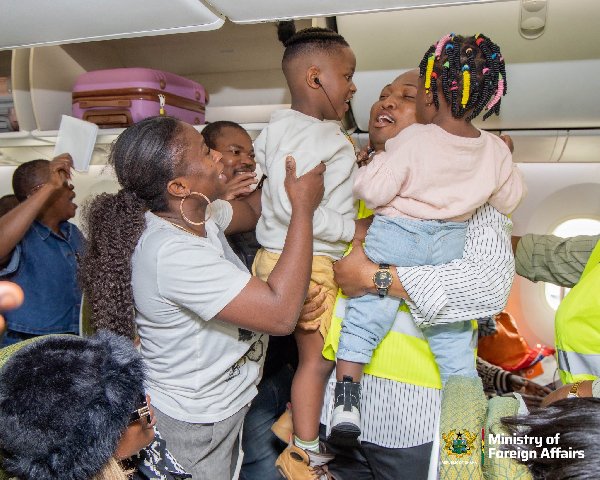
For the government, this was not charity. It was a statement about the duty of the state to its citizens. “The welfare and safety of all Ghanaians is a non-negotiable priority of the Mahama administration,” the Ministry of Foreign Affairs said in its official statement.
The Second and Third Flights: Hundreds More Return
The second batch of Ghanaian evacuees arrived on the evening of Saturday, June 6, once again on an Ethiopian Airlines flight, this time carrying approximately 340 nationals. They were received by Minister Ablakwa, Health Minister Kwabena Mintah Akandoh, Gender Minister Agnes Naa Momo Lartey, and Deputy Foreign Affairs Minister James Gyakye Quayson.
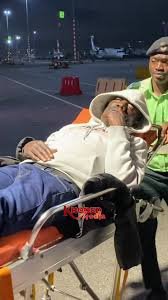
It was during this second reception that a video emerged which quickly circulated on Ghanaian social media: a woman, visibly unwell, being helped onto a stretcher as she exited the aircraft, surrounded by health personnel and airport officials. The image became a symbol of the human cost behind the statistics.
Ablakwa, addressing the second batch of returnees, did not temper his language. He conveyed personal greetings from President Mahama, commended the evacuees for their resilience, and then made a pointed announcement: the government was pursuing legal action to seek compensation for property and businesses lost during the attacks.
“We are not going to sit back without making every effort to secure compensation for those of you who have lost your properties, your assets, your businesses and your shops,” he told them. “Some of you worked more than two decades to put together businesses that were thriving.” He asked returnees to gather documentation of their assets so the legal process could proceed.
He also disclosed that entrepreneur Ibrahim Mahama had personally committed to providing 100 of the approximately 200 jobs secured by the government and private sector partners for returning citizens.
The third flight arrived the following day, Sunday June 8, carrying 342 additional nationals. Deputy Chief of Staff Nana Oye Bampoe Addo led the reception delegation, alongside Deputy Foreign Affairs Minister Quayson and senior officials from NADMO, the National Youth Authority, and Ghana Airports Company Limited.
Who Are These People?
One of the most persistent mischaracterisations of the evacuation has been the suggestion that those seeking to leave South Africa are undocumented migrants or individuals involved in criminality. The evidence flatly contradicts this.
Minister Ablakwa confirmed in multiple public statements that the South African authorities screened all applicants against their immigration database before departure. Not a single Ghanaian registered for evacuation was flagged as a person of interest. The vast majority were legally resident, taxpaying individuals who had built lives and businesses in South Africa over years and in some cases over decades.
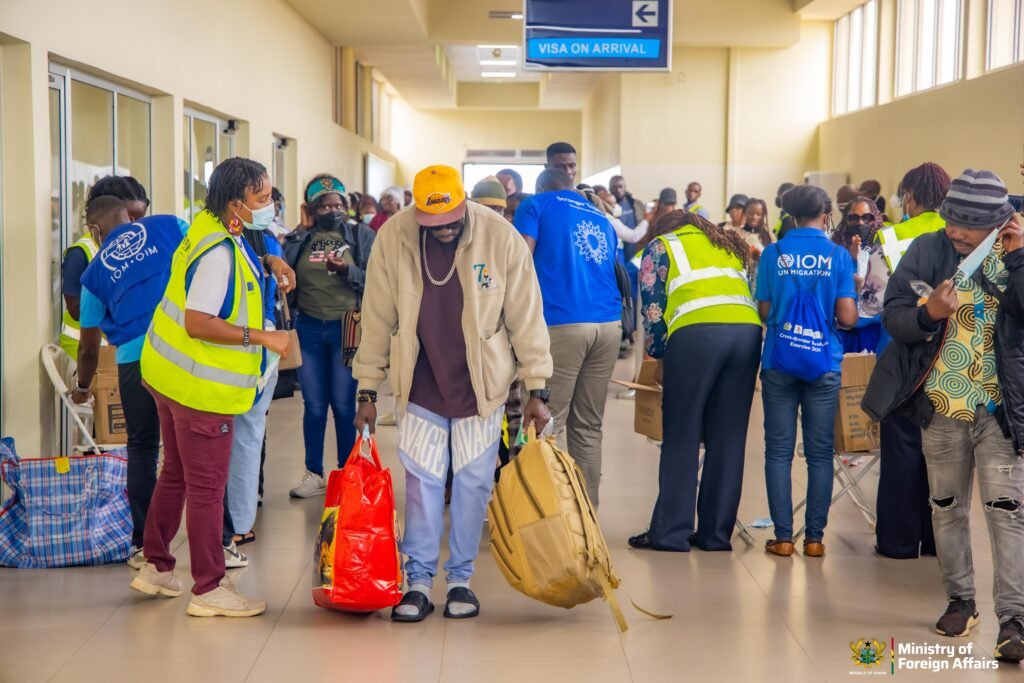
Ghana’s High Commissioner in Pretoria, Benjamin Quarshie, had earlier confirmed that the mission maintained direct communication with South African security agencies and municipal authorities and that the departures were processed through official immigration channels with South African cooperation at the national level, even as local-level actors in areas like Estcourt and parts of the Western Cape acted in ways that directly threatened Ghanaian livelihoods.
The Weight Behind the Welcome
The arrivals were not processed as anonymous data points. They were received with ceremony, with ministers present, with flags and music, with health workers and counsellors on standby. The government made a deliberate choice to receive these citizens with dignity.
That choice matters, because what many of those returning have been through is not easy to absorb. Reports from South Africa confirmed that Ghanaians had businesses looted, shops taken from them by local officials, and in several documented cases were physically assaulted. One evacuee described being stabbed with screwdrivers in an attack. Another described sleeping in hiding for days, unsure whether it was safe to move.
Coming home to ministers, flags, and a functioning support system was, for many of them, a form of healing in itself.
The repatriation exercise is not yet finished. The Ghana High Commission has confirmed that more than 1,500 Ghanaians registered, and flights continue. Those still in South Africa and wishing to return are advised to monitor communications from the High Commission in Pretoria and the Ministry of Foreign Affairs for registration updates.
For those already home, the harder work begins: rebuilding careers, recovering financially, processing trauma, and starting again in a country that may feel familiar but will require adjustment after years away.
Ghana’s government has said it will not abandon them in that process. The promise, at least, has been made clearly and publicly.

Do you have a personal story from the South Africa evacuations? Ghana News Online invites returnees and their families to share their experiences. Contact us at our editorial email or through our Facebook page.