








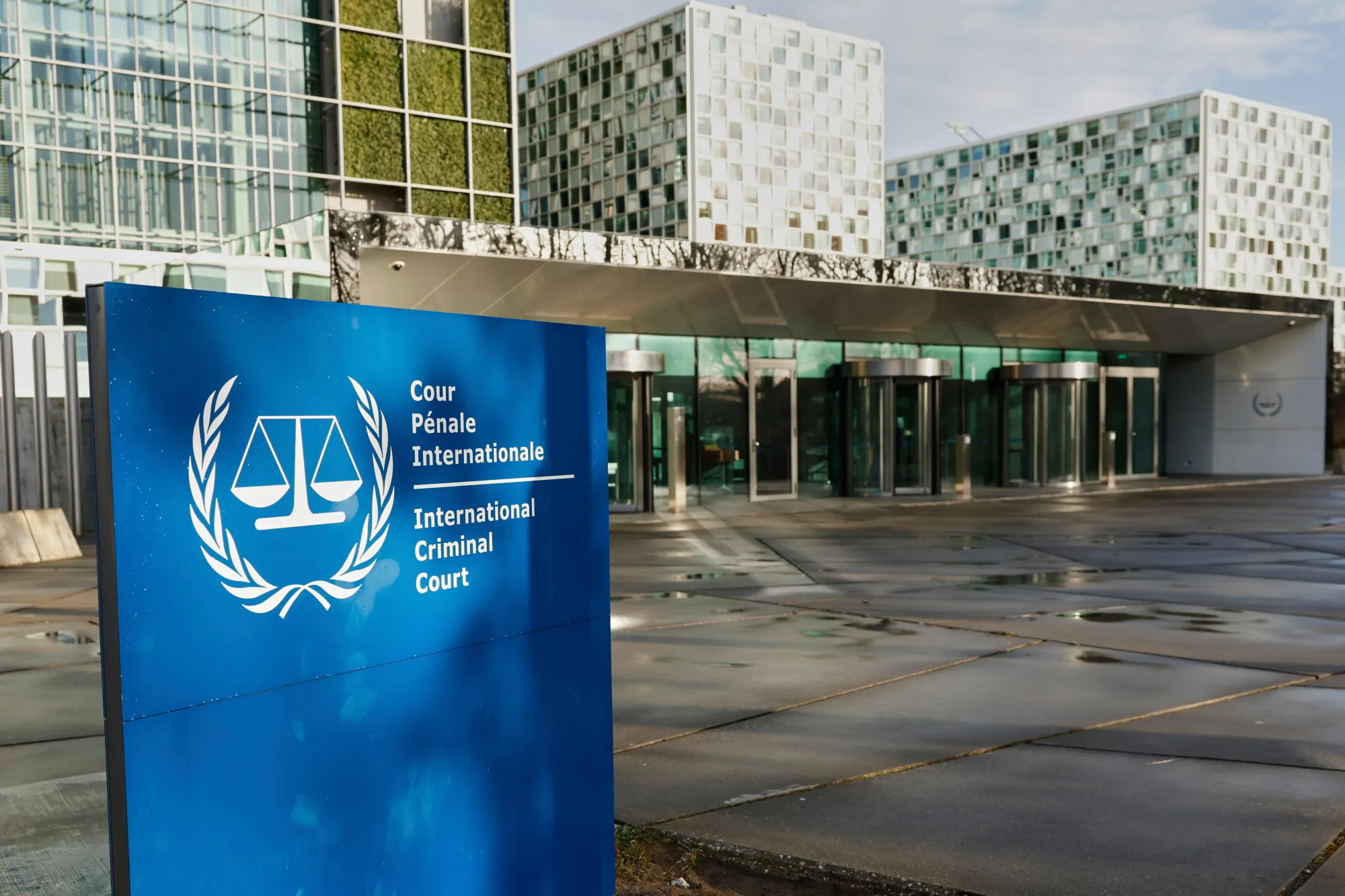
The International Criminal Court has confirmed receipt of a petition from two Ghanaian citizens requesting a preliminary examination of recurring xenophobic attacks against foreign nationals in South Africa.
The communication was submitted to the Office of the Prosecutor on July 15 and assigned submission number 85af1b23-2bb1-481c-ac64-5cb02c7c3524.
Former Government Spokesperson on Governance and Security Dr Palgrave Boakye-Danquah and Africa Centre for Security and Counter Terrorism analyst Emmanuel Kotin filed the petition.
They allege that attacks against migrants, particularly Africans, between 2015 and 2026 formed a widespread and systematic pattern. Their submission lists unlawful killings, destruction of property, looting, forced displacement, physical assault, torture and other forms of inhumane treatment.
The petition also cites hate speech and incitement as factors connected to the violence. The applicants argue that South African authorities did not adequately prevent attacks, protect victims, investigate offenders or prosecute those responsible.
Those claims are allegations made by the petitioners and have not been accepted as findings by the Court. Confirmation that a communication has been received does not establish the truth of its contents or begin a formal criminal case.
Dr Boakye-Danquah and Mr Kotin asked the Prosecutor to consider whether the alleged conduct could fall under Article 7 of the Rome Statute, which covers crimes against humanity. Their legal argument refers to murder, deportation or forcible transfer and other inhumane acts intentionally causing serious suffering.
The petition also invokes Article 28 on command responsibility. It alleges that senior officials, including South African President Cyril Ramaphosa, failed to exercise effective control over state security agencies in preventing or punishing the attacks.
No finding has been made against President Ramaphosa or another South African official. The petitioners are asking the Prosecutor to question officials and determine whether the legal conditions for individual responsibility exist.
Their requests include a preliminary examination, possible summonses or questioning of relevant state representatives and a formal investigation if the Prosecutor finds a reasonable basis to believe crimes within the Court’s jurisdiction may have occurred.
South Africa ratified the Rome Statute in November 2000. The petitioners rely on that membership in arguing that the ICC may exercise territorial and personal jurisdiction over qualifying crimes.

They also claim that domestic proceedings have been inadequate, an argument connected to the Court’s complementarity principle. The ICC generally acts only when national authorities are unwilling or unable genuinely to investigate and prosecute conduct within its jurisdiction.
The Office of the Prosecutor must first assess the communication. That initial review may consider jurisdiction, the legal character of the alleged acts, the availability and quality of supporting information and whether relevant domestic proceedings exist.
Receipt of a submission does not guarantee that the matter will advance to a preliminary examination, investigation, warrant or trial. Many communications are reviewed without further formal action where statutory thresholds are not met.
The applicants said their action was intended to seek justice and protection for victims rather than promote hostility towards South Africa. They referred to the country’s democratic standing while arguing that recurring violence against other Africans undermined Pan-African values.
Any later prosecutorial step would be separate from the Secretariat’s administrative acknowledgement and would require another decision under the Court’s governing statute.
The ICC had not announced an investigation, summons or finding by the cutoff. Its verified action was limited to acknowledging and recording the petition for assessment by the Prosecutor’s office.