


Flood-recovery and sanitation operations are continuing across parts of Accra after the two-day National Clean-Up Exercise, Local Government, Chieftaincy and Religious Affairs Minister Ahmed Ibrahim has said.
The minister inspected work in the Korle Klottey, Okaikwei North, Ga East, Adentan and La Nkwantanang-Madina assemblies to assess activities after President John Dramani Mahama declared the clean-up programme.
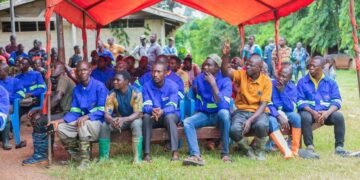
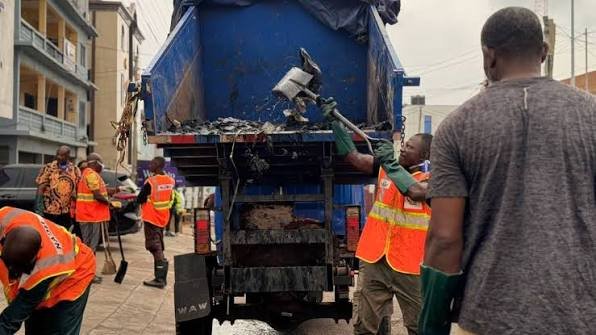
Municipal teams were still evacuating waste, clearing congested refuse-collection points and carrying out other sanitation interventions in communities affected by flooding.
Mr Ibrahim said the two-day exercise marked the beginning of a wider campaign rather than the end of recovery work. Mop-up operations would continue while assemblies dealt with material left by floodwater and the accumulation of refuse in public spaces.
The inspection covered five assemblies with different drainage, settlement and waste-management conditions. The tour allowed the ministry to review the pace of clean-up work and the local arrangements for moving collected waste from temporary points.
Flooding can spread refuse from drains, streets and informal dumps into homes, markets and road corridors. The current operations combine removal of deposited waste with decongestion of collection areas so that material does not return to drains or remain near communities.
The campaign follows severe flooding in parts of the capital. Recovery work includes the immediate clearing of affected locations and longer sanitation tasks that assemblies carry out through their environmental-health and waste-management units.
The presidential declaration created a common period for clean-up activity, while the minister’s tour assessed what remained after the coordinated exercise ended and whether collected waste was being transported away.
Mr Ibrahim placed responsibility for the continuing work on the relevant metropolitan and municipal structures, with national oversight from the ministry. The assemblies are expected to maintain the operations beyond the formal dates of the clean-up exercise.
The minister did not announce a final completion date for all affected communities. The extent of work differs across localities, and some sites require repeated evacuation after waste has been collected from streets, drains and neighbourhood points.
Korle Klottey covers central parts of Accra where dense development and heavy commercial activity create substantial waste volumes. Okaikwei North, Ga East, Adentan and La Nkwantanang-Madina include residential, market and transport areas with separate drainage pressures.
The tour concentrated on physical operations rather than the approval of a new sanitation law or budget. No total cost for the recovery work was announced during the inspections.
The National Clean-Up Exercise provided a coordinated period for assemblies, state agencies and communities to remove waste. The continuing phase focuses on transporting collected material, clearing remaining sites and restoring normal conditions.

Waste left at collection points can create another environmental and health problem if it is not removed promptly. Decongestion of those sites is therefore part of the recovery sequence described by the minister.
The inspections also allow national and local officials to identify areas where additional trucks, personnel or disposal arrangements may be needed. Any allocation remains subject to the operational decisions of the ministry and assemblies.
Mr Ibrahim said the campaign would continue until affected communities were restored. That position establishes an open-ended recovery period tied to conditions on the ground rather than the two formal clean-up days.
Residents and businesses continue to encounter clean-up teams in the five inspected assemblies as waste evacuation proceeds. The latest official status is that mop-up activities remain active, with the ministry monitoring assembly-level implementation.