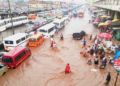

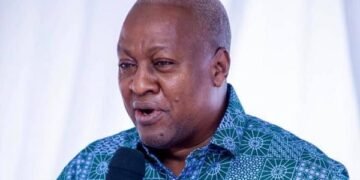


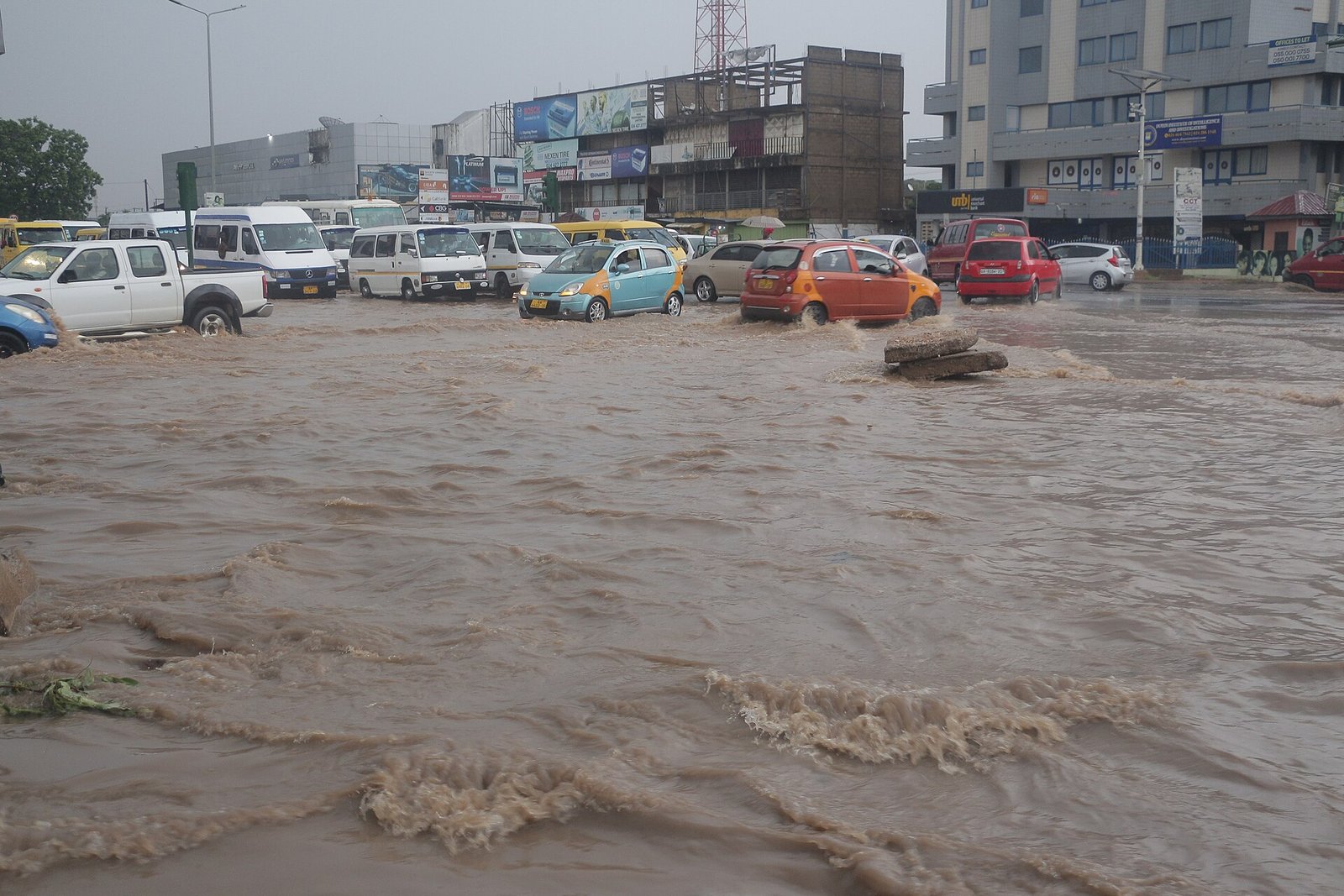
President John Dramani Mahama stepped off a plane from Belarus on Tuesday, June 9, and immediately ordered action. Before he had even left Kotoka International Airport, he had directed the flood taskforce of the National Disaster Management Organisation and all relevant state agencies to prepare a comprehensive report on Ghana’s flooding situation.
The report, the President said, must identify flood-prone areas, map blocked and restricted waterways, and provide a basis for both immediate and long-term measures to stop the annual cycle of destruction. He also directed an urgent crackdown on illegal construction along waterways and called for strict enforcement of planning regulations, warning that the current pattern of building in drainage corridors and on floodplains could no longer continue.
“This is a challenge that demands both enforcement and behavioural change,” the President said.
No Ghanaian who has followed this issue closely can object to those words. They are the right words. The question — the only question that matters — is whether this directive will produce results that previous directives have not.
Since 2010, successive governments have responded to flood disasters with the same choreography: a site visit, a statement, a taskforce, an announcement of drainage works, and a budget line that is quietly underspent before the next rainy season begins. A decade of investigation by journalists and civil society groups produced a verdict in 2025 that should have been embarrassing: the fundamental conditions that caused the 2015 June 3 catastrophe remained largely unreformed.
The government’s Works, Housing and Water Resources Minister, Kenneth Gilbert Adjei, announced a raft of measures on June 8 — accelerating drainage improvement projects, desilting channels in flood-prone areas, removing structures blocking waterways, and expanding drainage infrastructure over the long term.
The Frimpong-Manso Institute, responding to the latest floods, put it plainly: Ghana can no longer afford to treat flooding as a seasonal emergency.
Dr Richard Fiadomor, President of the Chamber for Local Governance, went further and named the culprits directly: citizen indiscipline, ineptitude at district assemblies, and political interference that prevents building regulations from being enforced. “It appears we are a country that is happy about emotional sentimentalities rather than getting things done,” he said.
The President has given the order. The institutions have announced the measures. The NGOs have issued the warnings. Ghana has been here before, many times. What changes this time will be determined not by the quality of the directives, but by what happens between now and the next downpour.