






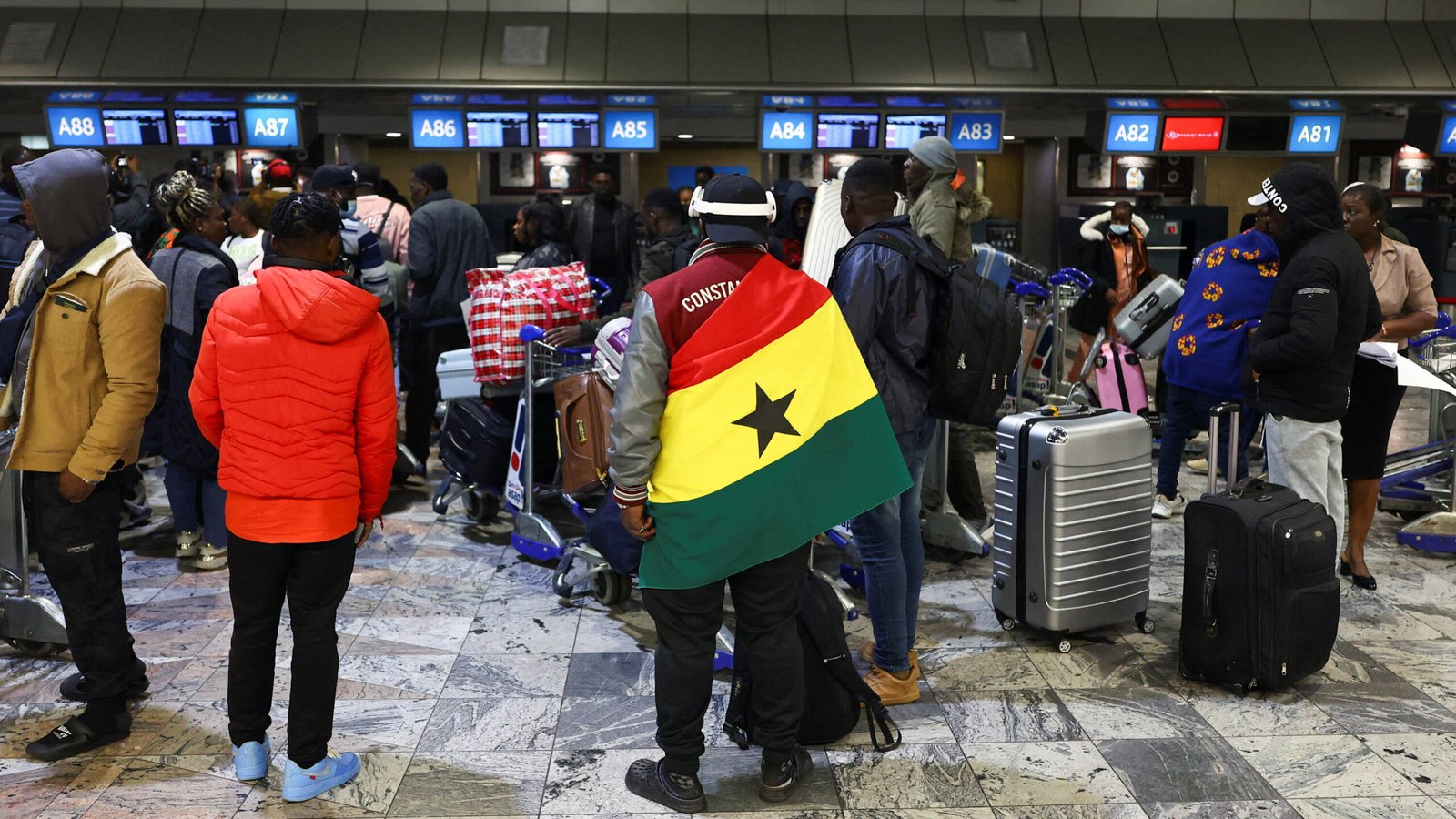
More than 1,000 Ghanaian nationals have now returned home from South Africa in a government-led emergency evacuation, as rising xenophobic violence continues to force foreign nationals from their businesses, homes, and livelihoods. The crisis has triggered a sharp diplomatic dispute between Accra and Pretoria and prompted calls for African Union intervention.
Three repatriation flights have touched down at the Accra International Airport since the exercise began, with the Ghanaian government pledging to evacuate all registered nationals who wish to return.
First Batch: 300 Evacuees Arrive on May 27
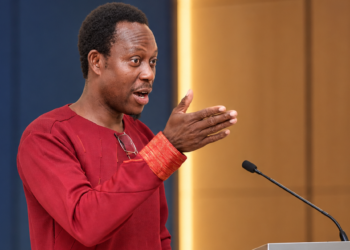
The repatriation exercise began on Wednesday, May 27, when the first batch of approximately 300 Ghanaian nationals landed in Accra. They were received at the airport by Foreign Affairs Minister Samuel Okudzeto Ablakwa, who confirmed that President John Mahama had given personal authorisation for the emergency evacuation after weeks of escalating anti-immigrant protests across South African provinces including Gauteng, KwaZulu-Natal, and the Eastern Cape.
Among the first group were 26 individuals who had been detained by South African authorities on visa-related charges. Minister Ablakwa confirmed their release and return as part of the coordinated evacuation.

One returnee, who ran a hair salon in a container, described the moment his business was broken into and looted. “I tried selling my salon but couldn’t find a buyer,” he told reporters at the airport. “We had no choice but to leave.”
Numbers Surge: Over 1,500 Register as Crisis Escalates
Following the first flight, the number of Ghanaians seeking evacuation grew rapidly. Over 1,500 nationals registered with the Ghana High Commission in Pretoria, prompting the mission to temporarily suspend new registrations on June 2 to process existing applications. The suspension was intended to allow authorities to screen applicants in collaboration with South African Home Affairs officials, not to end the programme.
The High Commission confirmed that South African authorities screened all applicants against their immigration database and found no Ghanaian flagged as a person of interest, directly countering claims that those evacuated were undocumented or involved in illegal activity.
Second and Third Batches Arrive on June 7 and 8
The second and third batches of evacuees arrived over the weekend of June 7 and 8, with over 700 nationals returning across two flights. The second batch of approximately 340 returnees arrived aboard an Ethiopian Airlines flight on Saturday, June 7 at about 9 p.m. The third batch, numbering over 380, touched down on Sunday, June 8 at 1:40 p.m.
Ministers of Foreign Affairs, Health, and Gender were present at the airport to receive both groups. Deputy Foreign Affairs Minister James Gyakye Quayson led the reception team for the Sunday arrival.
Addressing returnees on Saturday night, Ablakwa announced that the government had secured approximately 200 employment opportunities for evacuees and was building a broader database of jobs and startup opportunities. “We are not only concerned about evacuating you, but we are concerned about your full integration,” he said.

Government Initiates Legal Action for Compensation
In what represents one of the most assertive diplomatic positions taken by Ghana’s Foreign Ministry in recent years, Minister Ablakwa announced that the government is initiating legal processes to seek compensation for Ghanaians who lost businesses and properties during the attacks.
“We are not going to sit back without making every effort to secure compensation for those of you who have lost your properties, your assets, your businesses and your shops,” he said. “Some of you worked more than two decades to put together businesses that were thriving.”
Ablakwa said returnees will be required to submit documentation, including addresses and proof of ownership, to support the compensation claims. He added that President Mahama intends to raise the matter formally at the next African Union Mid-Year Coordination Meeting.
Diplomatic Tensions with Pretoria
The evacuation exercise has not been without friction between the two governments. South African Foreign Minister Ronald Lamola issued a public rebuke after Ghana’s embassy published a video showing evacuees waving Ghanaian flags aboard a departing aircraft, warning against what he described as using the humanitarian crisis for political posturing.
Lamola also disputed several claims made by Ablakwa in a broadcast interview with Joy News, including reports of Ghanaians being hospitalised after attacks. The South African minister stated his government had “no information of that nature whatsoever.”
Pretoria further warned Accra that it would not back down if the dispute escalated into international legal or human rights proceedings.
Ablakwa, for his part, has not retreated from his position. He called on the African Union to investigate the situation and reiterated that Ghana reserves the right to pursue every available avenue to protect its citizens and recover losses.

The Broader Context: Pan-African Tensions on Migration
The crisis has revived difficult conversations across the continent about migration, economic anxiety, and the gap between pan-African ideals and the daily reality facing African migrants in other African countries.
South Africa is grappling with an unemployment rate exceeding 30 percent, and organised anti-immigrant movements including Operation Dudula and the group March and March have issued ultimatums demanding that undocumented foreigners leave the country by the end of June. Their grievances, while rooted in economic frustration, have in several documented instances extended to attacks on legal residents and business owners.
Ghana’s government, for its part, has maintained that the majority of those evacuated were legally resident and employed, and that their treatment constitutes a violation of basic rights regardless of documentation status.
The repatriation exercise is ongoing. The Ghana High Commission has assured citizens still in South Africa that the programme has not ended, and that details of the next registration phase will be announced in due course.