




Organisations of persons with disabilities have called on Parliament to pass the Persons with Disabilities Bill, 2026, arguing that Ghana needs stronger and more enforceable protections against exclusion across public and private life.
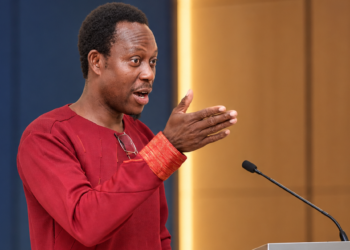
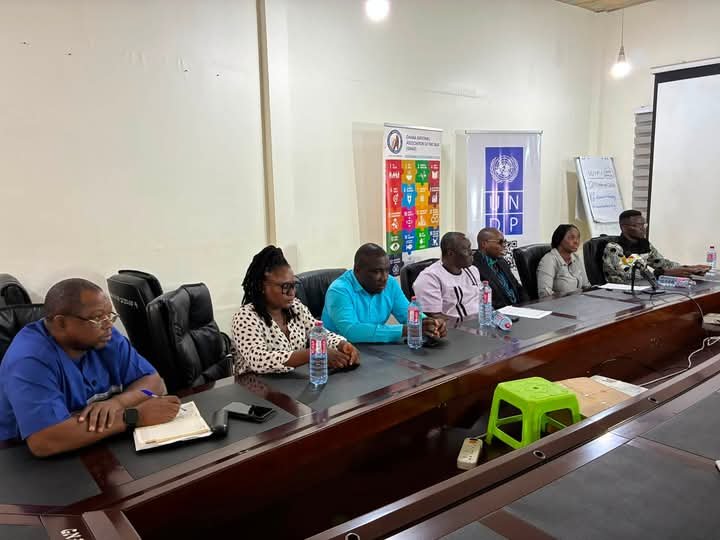
The appeal was made at a press engagement in Accra by Hannah Awadzi, Executive Director of the Inclusive Family Alliance, on behalf of the Ghana National Association of the Deaf and other disability organisations.
The groups urged lawmakers to put aside partisan considerations and treat the legislation as a rights and national-development measure. Their position is that disability can affect any person or family and should not be treated as a concern limited to a small constituency.
Ghana enacted the Persons with Disabilities Act, 2006 (Act 715) two decades ago. The advocacy organisations say that, despite the law, people with disabilities continue to face barriers in education, healthcare, employment, transportation and access to justice.

The proposed 2026 bill is expected to update the legal framework and address weaknesses exposed during implementation of the existing Act. The precise obligations, enforcement powers, timelines and remedies must be assessed from the final bill passed by Parliament.
Accessibility is not limited to ramps. For deaf people, it includes sign-language interpretation and communication access. For blind people, it can require accessible digital systems, braille, audio information and navigable public spaces. People with intellectual or psychosocial disabilities may need supported communication and protection against discrimination.
Education remains a central concern because inaccessible facilities, limited specialist support and communication barriers can exclude learners before they enter the labour market. A rights-based law must be matched by budgets, teacher preparation and accountability for both public and private institutions.
Healthcare access also extends beyond physical entry to a clinic. Patients need understandable information, respectful treatment and communication support. Emergency systems must be designed so people with different disabilities can seek help without relying entirely on relatives.
Employment protections require fair recruitment, reasonable accommodation and enforcement against discrimination. Employers also need clear guidance on what the law requires and how support can be provided without turning accommodation into an excuse to exclude qualified applicants.
Transport and the built environment are equally important. If buses, roads, terminals, schools, courts and government offices remain inaccessible, formal legal equality will not translate into everyday participation.

The organisations’ request places responsibility on Parliament to scrutinise the bill without weakening its protective purpose. Lawmakers should hear directly from people with disabilities and ensure that definitions, enforcement mechanisms and institutional mandates are workable.
Passage alone will not guarantee change. Implementation will require regulations, measurable deadlines, public education, accessible complaint systems and resources for the institutions charged with enforcement.
The debate should therefore focus on both legal rights and practical delivery. Ghana’s test will be whether the final framework enables people with disabilities to study, work, travel, receive care and seek justice on an equal basis.
The organisations linked their demand to the continuing barriers they documented two decades after Act 715 was enacted. Their statement presented the 2026 bill as the next legislative step in addressing those gaps.
The bill remains before Parliament. Its final provisions, enforcement powers, implementation timetable and financial commitments will depend on the text adopted by lawmakers and any regulations subsequently made under the legislation.
Mrs Awadzi said millions of Ghanaians with disabilities still encounter barriers across essential services and public institutions.