





Two separate actions filed at the Supreme Court are seeking an authoritative interpretation of Ghana’s presidential term limit, raising the question of whether Article 66(2) bars a person who has been elected president twice from ever contesting again or applies only to consecutive terms.
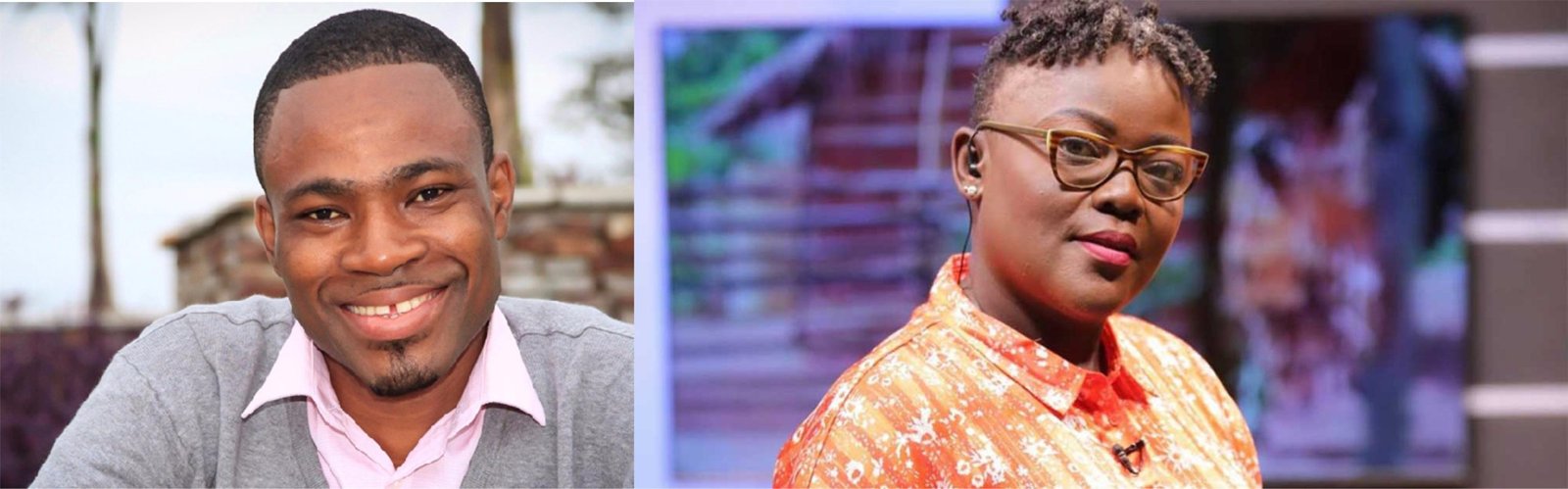
The plaintiffs are Ganiwu Alhassan, a teacher from Kpandai in the Northern Region, and Kenneth Kwabena Agyei Kuranchie, editor of the Daily Searchlight newspaper. Their cases were filed separately, although both ask the court to interpret the same constitutional provision.
Article 66(2) states that a person shall not be elected to hold office as President of Ghana for more than two terms. The dispute placed before the court concerns the legal meaning and reach of that language, not a constitutional amendment.
Mr Alhassan wants the court to declare that a person who has served two separate, non-consecutive terms remains eligible to seek the presidency again. His case argues that preventing such a candidacy would breach the Constitution.
He also relies on provisions governing a vice-president who succeeds to the presidency. His argument is that the rules in Article 60(6) and (7) show that the constitutional framework distinguishes between different ways and periods in which presidential office may be held.
Mr Kuranchie is seeking three linked declarations. His position is that Article 66(2) prevents another election only after a president completes two consecutive four-year terms. He further argues that a break of at least one four-year electoral cycle resets eligibility.
These are the plaintiffs’ legal claims and should not be reported as the settled meaning of the Constitution. The Supreme Court must first determine whether the actions properly invoke its jurisdiction and, if so, assess the language, structure and purpose of the relevant provisions.

The Attorney-General is named as defendant in both suits and has 14 days from service to file a statement of defence in each action. That response will set out the state’s position and identify the issues it considers properly before the court.
Mr Kuranchie previously brought a case intended to stop then former President John Dramani Mahama from contesting the 2024 election. A seven-member Supreme Court panel struck out that writ because he did not file a statement of case within the required time. The court held that the defective action did not properly invoke its jurisdiction.
The earlier dismissal did not produce a substantive interpretation of Article 66(2). The new actions will therefore have to satisfy procedural requirements before the court can address the constitutional question.
Any judgment could have implications beyond the individual plaintiffs. It may define eligibility rules for future former presidents, guide the Electoral Commission when receiving nominations and shape how political parties assess potential candidates.
The court process will also test competing interpretive approaches. One reading focuses on the ordinary meaning of “more than two terms”; another asks whether constitutional context supports a distinction between consecutive and separated service.
The filing of the suits has not changed the eligibility of any prospective candidate. The plaintiffs’ requested declarations remain arguments before the court, and the Attorney-General’s responses had not been filed at the research cutoff.

The cases will proceed under the Supreme Court’s rules after service and the filing of the required processes. The eventual judgment will determine the binding interpretation of Article 66(2) and its application to non-consecutive presidential terms.